
SAFARI CAMPS for responsible travellers
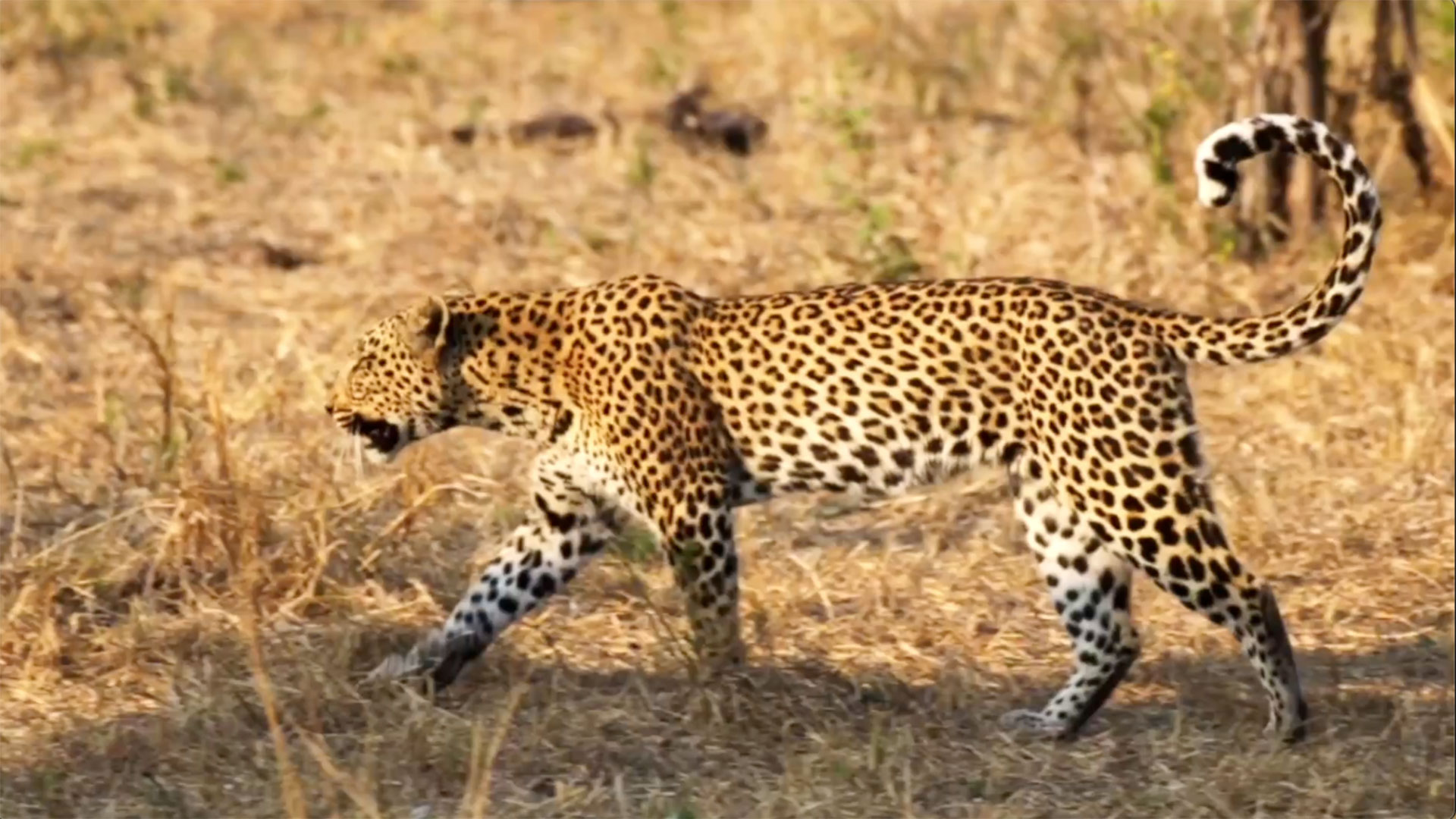
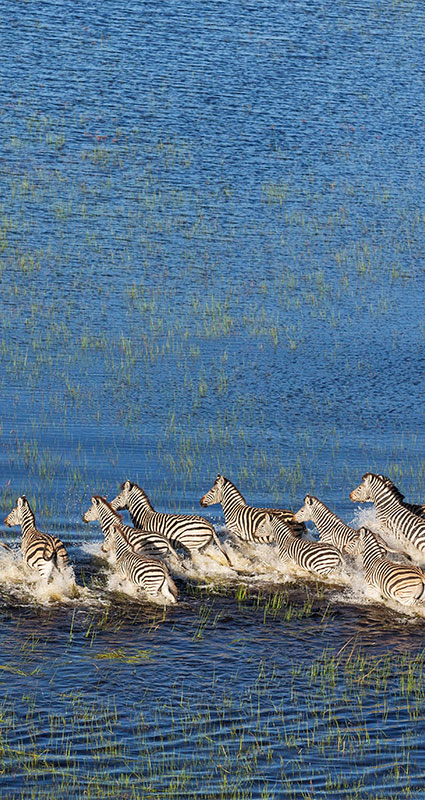
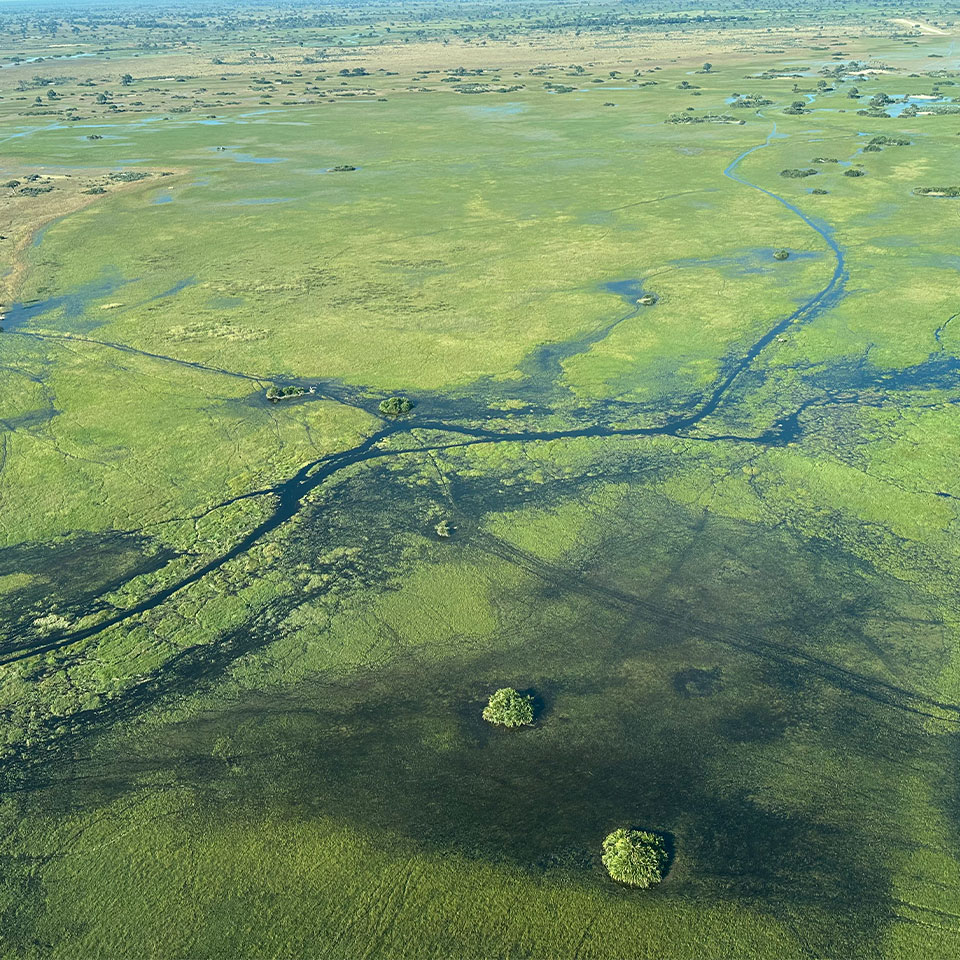
The Okavango Delta in Botswana is an enormous watery oasis and a Big 5 safari paradise, encompassing the Moremi Game Reserve. Annual floodwaters from Angola provide nutrient-rich waters for an impressive concentration of wildlife.
The low-density tourism model adopted by the Botswanan authorities has resulted in luxury camps and lodges, many of which have exclusive access to private concessions.
A water wonderland & Big 5 safari paradise
Information about the Okavango Delta
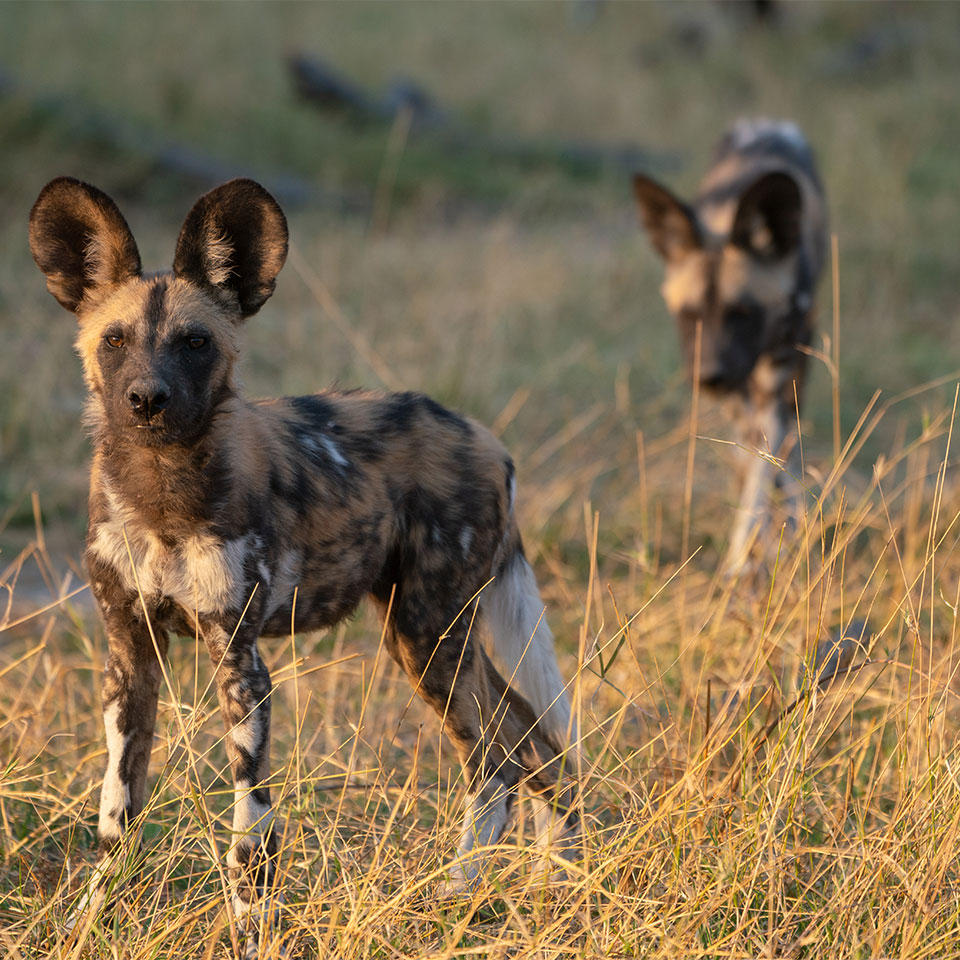
Okavango Delta wildlife
Big 5 - elephant, lion, leopard, buffalo and rhino (black & white) - although rhino are rarely encountered
Cheetah, wild dog, brown and spotted hyena, giraffe, waterbuck, zebra, impala, roan, sable, bushbuck, common duiker, eland, oribi, common reedbuck, hippopotamus, crocodile, warthog, African bushpig and kudu.
Smaller species include side-striped jackal, honey badger, genet, African wildcat, serval, aardvark, pangolin, chacma baboon, vervet monkey and several species of mongoose.
Birds - about 510 species recorded, including maccoa duck, slaty egret, crowned and wattled crane, kori bustard, grey plover, brown firefinch, black-winged pratincole, secretary bird and white-headed vulture
Okavango Delta seasons
Prime safari season - June to October - floods, no rain
The peak wildlife viewing period occurs during the months with no rainfall, when the bushveld has dried out, making it easier to spot the wildlife. There is little to eat, and the only available water is the annual floodwaters, deep perennial rivers and permanent waterholes - which act as drawcards for high volumes of animals, including predators. Temperatures are moderate from June to August, but increase in September to very hot in October.
Green safari season - November to May - rain, no floods
Once the early rains arrive (usually in mid-November), things change quickly as the grasses grow and deciduous trees begin to sprout leaves. This is when food and water become more widespread and buffalo, elephants, and antelope spread out over greater distances - followed by the big cats and other predators. Migratory birds arrive with the rains to feast on the sudden deluge of insects, frogs and other delectables. Temperatures are very hot from November to February, cooling from March onwards.
What to do in the Okavango Delta
The Okavango Delta offers a variety of activities with qualified guides, including:
morning, afternoon and nighttime game drives with a spotlight
walking safaris
bird watching
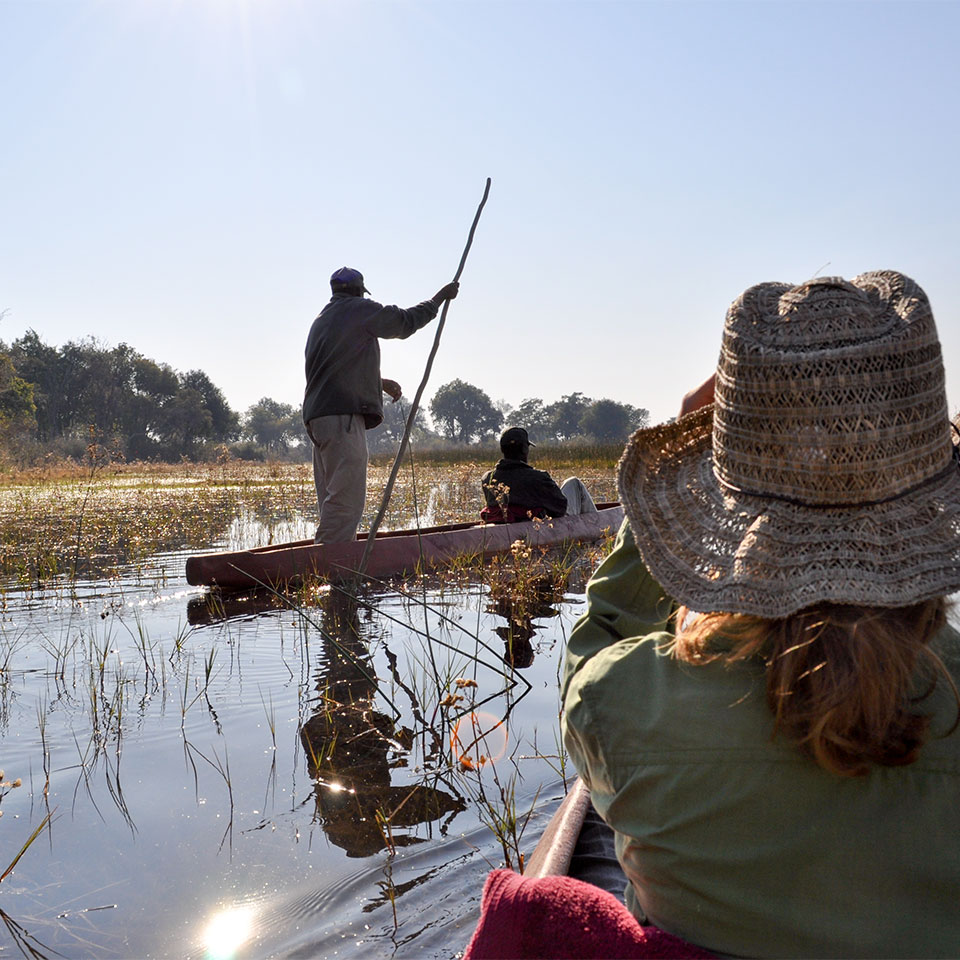
trips on rivers and channels in motorboats and mokoros (dugout canoes)
community cultural experience – visit a local village to learn about their culture
helicopter sightseeing flights
How to get to the Okavango Delta
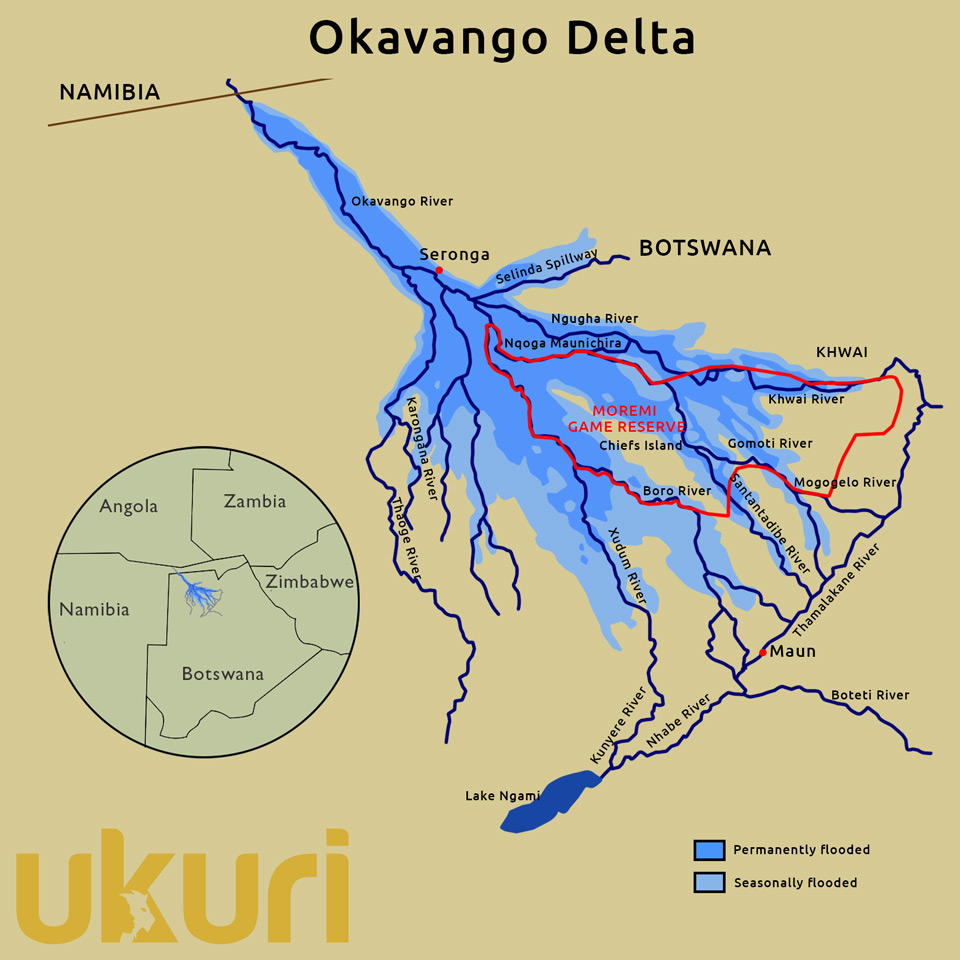
Okavango Delta camps are all accessible via helicopter and fixed-wing flights from the towns of Maun and Kasane. There are scheduled flights several times per day to most camp airstrips, with a game drive transfer from the airstrip to the camp. Exact flight timing is determined every day based on volumes to each airstrip.
Some tourists drive to camps in their own or rented 4x4 vehicles, but access can be limited during the flood months. Only experienced remote-area 4x4 drivers should consider this option at any time of year, as the risk of getting lost, stuck, or breaking down is high.

Health essentials
Malaria area: Yes
The Okavango Delta is a medium to high-risk malaria area. The biggest threat is during the rainy season (November to March), but appropriate precautions are advised throughout the year. Cover your arms, legs and feet from dusk to dawn and use mosquito repellent. Please consult your travel doctor about malaria prophylaxis.
Yellow fever area: No
Botswana is not a yellow fever area. Vaccination is required for travellers arriving from countries with a risk for yellow fever virus transmission. Please consult your travel doctor before travelling for relevant updates.
Tsetse flies: No
Tsetse flies are not found in the Okavango Delta.
Medical emergencies
The Okavango Delta is a remote area – please ensure you have evacuation insurance in case of medical emergencies. Most lodges utilise emergency evacuation services.