
SAFARI CAMPS for responsible travellers


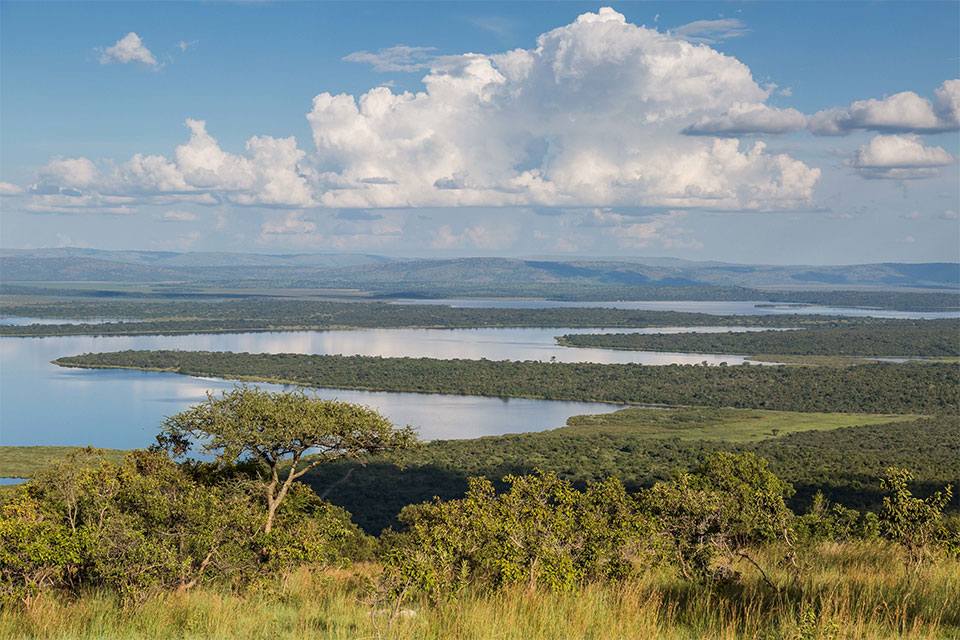
The 112,200 ha Akagera National Park shelters Central Africa's largest protected string of lakes and papyrus-lined swamps and offers a superb Big 5 safari experience
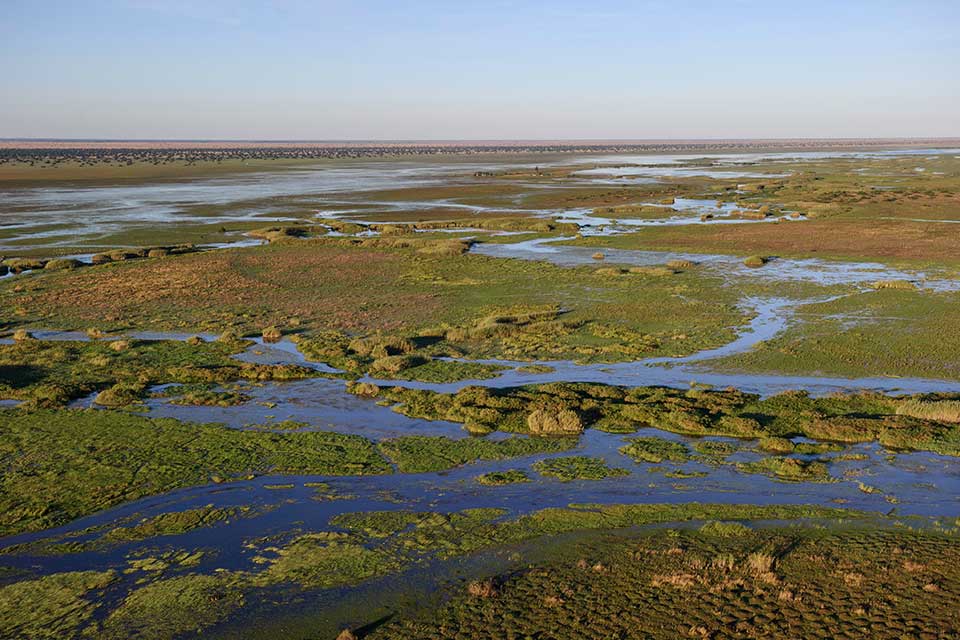
Bangweulu Wetlands is the only place in the world you will find wild black lechwe and is home to over 350 shoebills
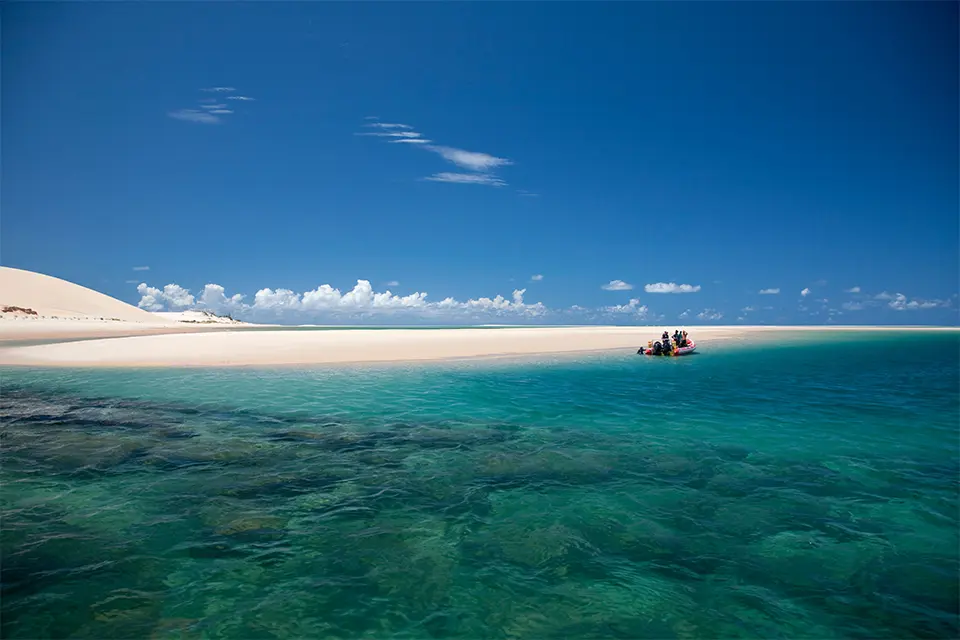
The islands of the Bazaruto Archipelago on the Mozambique coast comprise a stunning marine protected area, featuring white sand beaches that gently dip into exquisite, azure-coloured waters and coral reefs that shelter an astonishing array of sea creatures, including whale sharks, manta rays, and dugongs
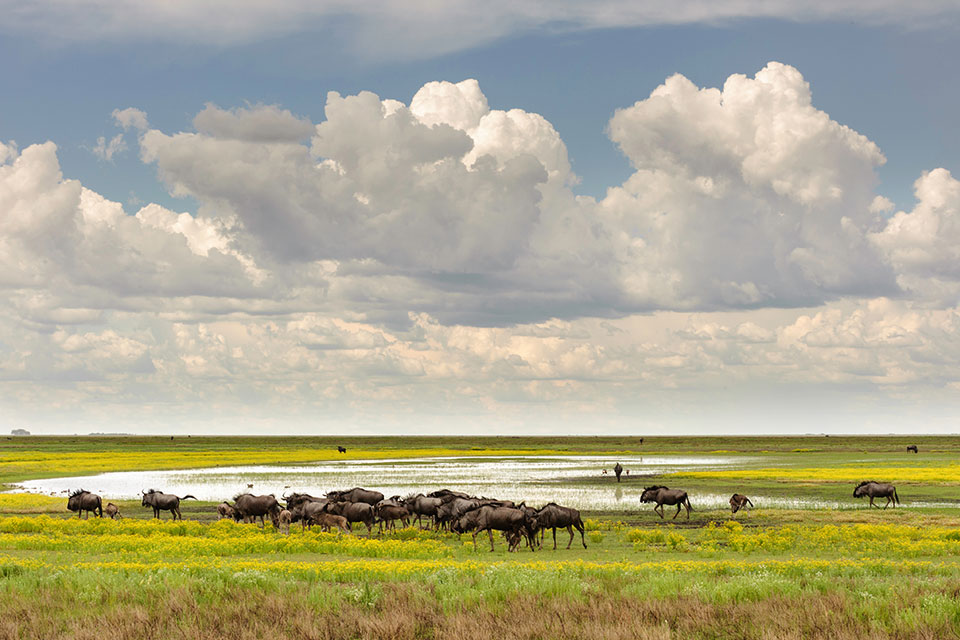
Liuwa Plain National Park in western Zambia - a conservation success story - is home to precious wetlands, a growing lion population, huge hyena clans, a rich Lozi people culture & remote wilderness
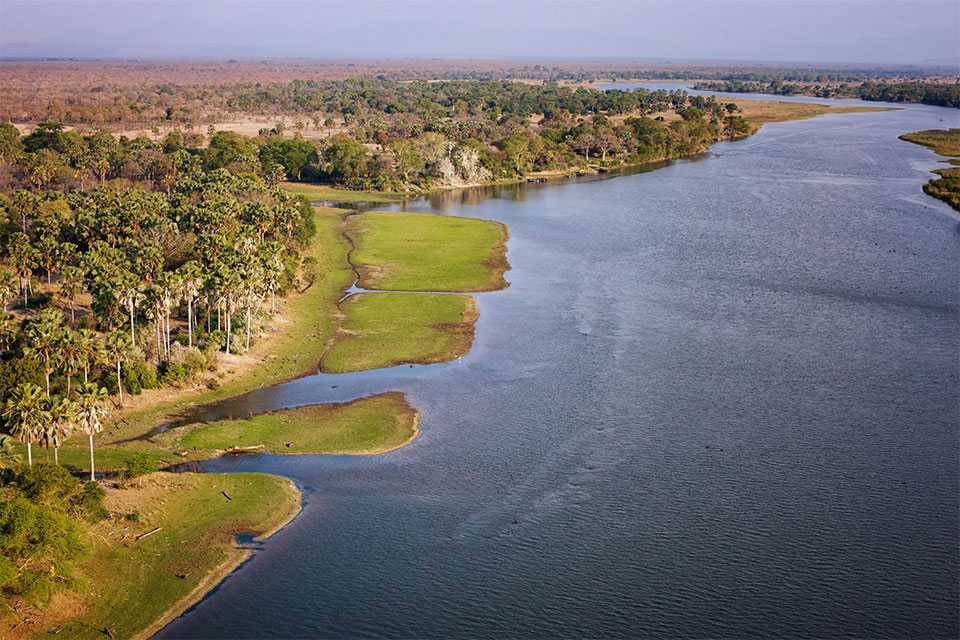
The 548km2 (54,800 hectare) Liwonde National Park stretches along the banks of the Shire River in Malawi - just south of Lake Malombe and Lake Malawi
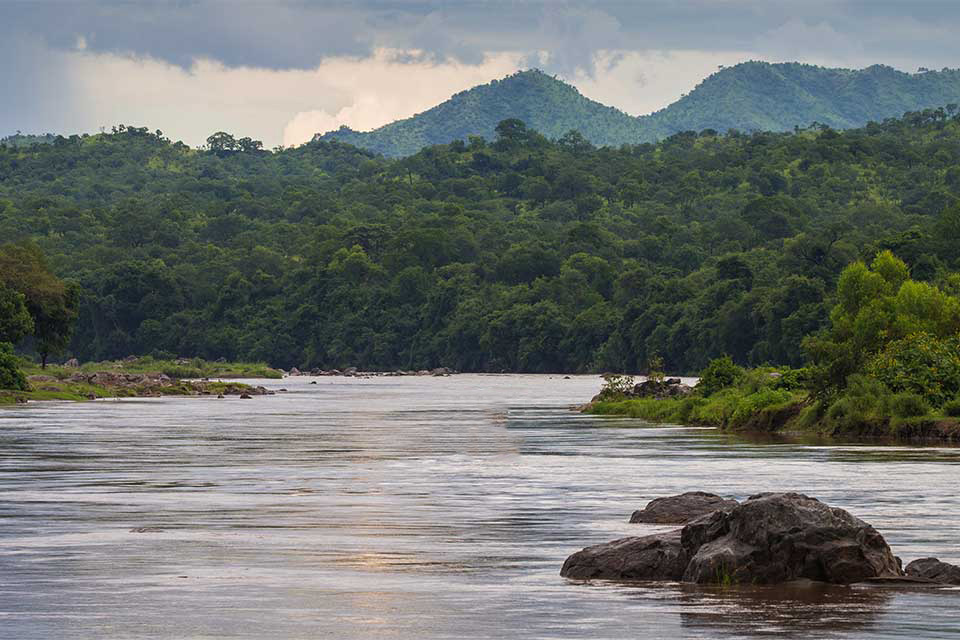
The 70,000-hectare Majete Wildlife Reserve in southwestern Malawi is one of Africa’s greatest conservation success stories and a premier Big-5 safari destination for responsible travellers
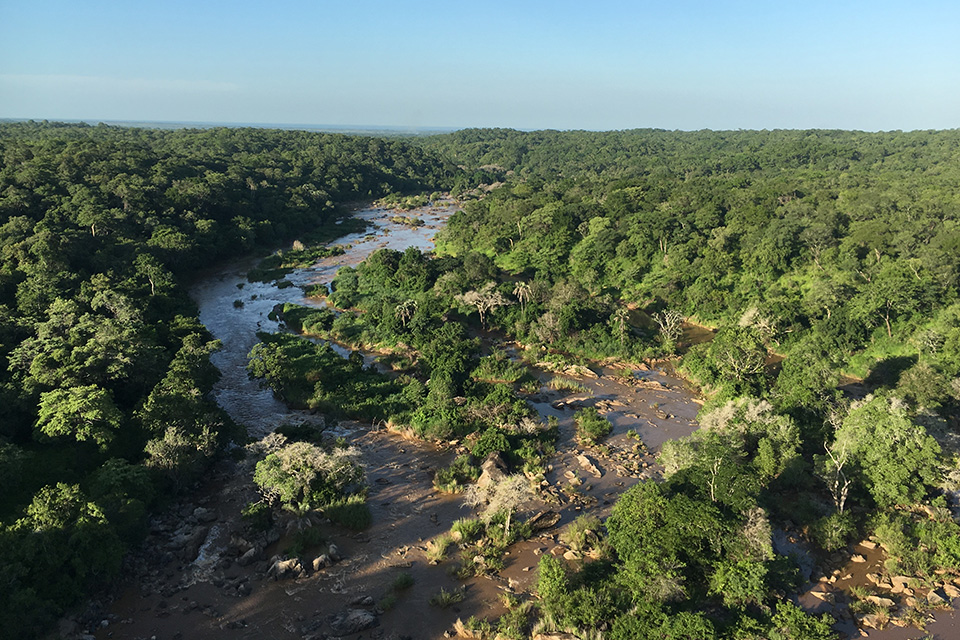
Nkhotakota Wildlife Reserve is Malawi’s oldest and largest reserve - encompassing 1,800km2 (180,000 hectares) of wild and rugged terrain
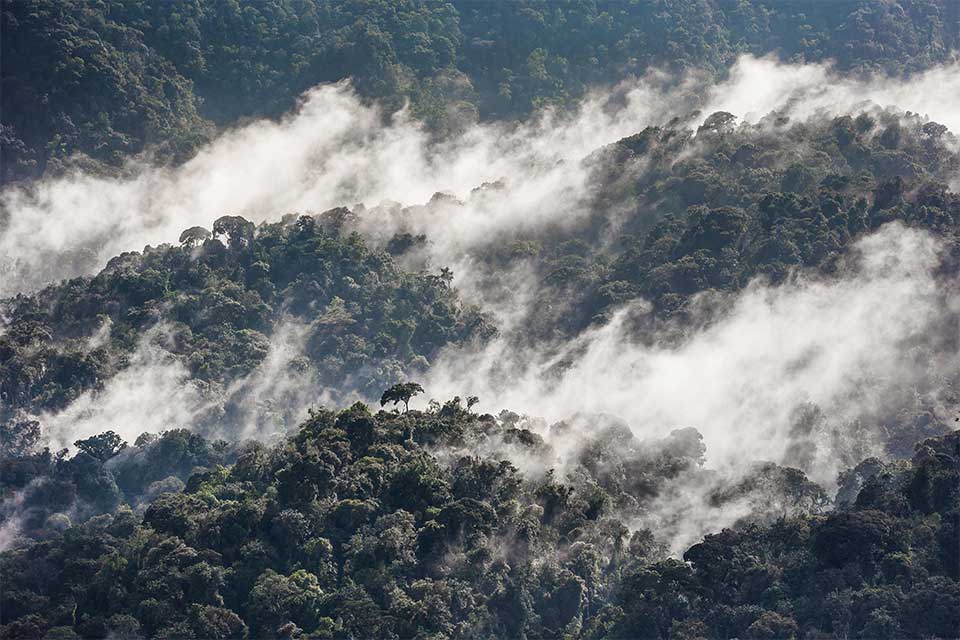
The 100,019-hectare Nyungwe National Park protects Africa's most extensive protected tract of montane forest and offers superb chimpanzee trekking, bird watching and hiking opportunities
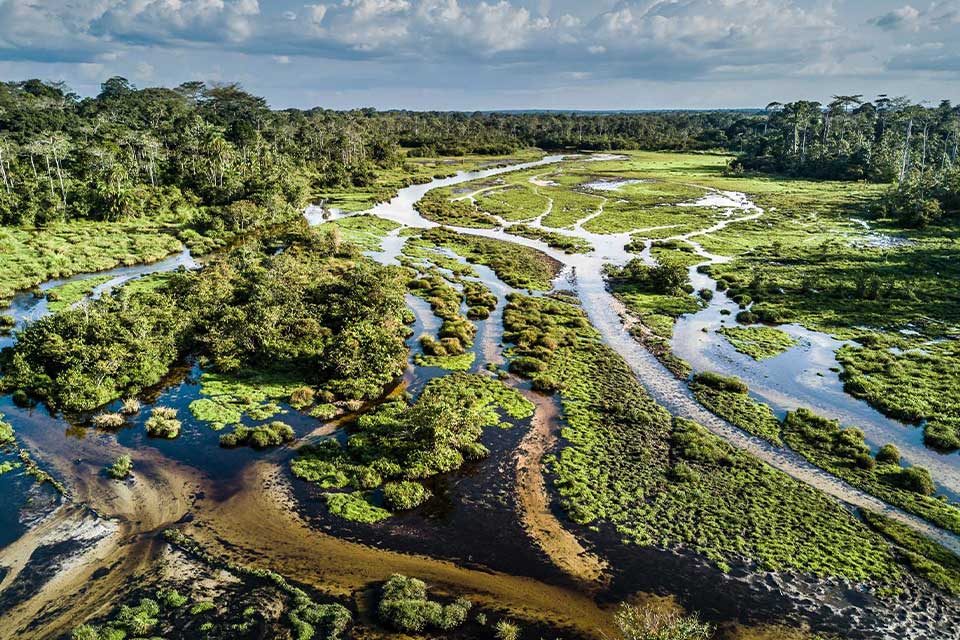
Odzala-Kokoua NP in Congo is one of Africa's hidden gems – dense lowland forests teeming with lowland gorillas, forest elephants, dwarf crocodiles, bongos and huge flocks of grey parrots and green pigeons
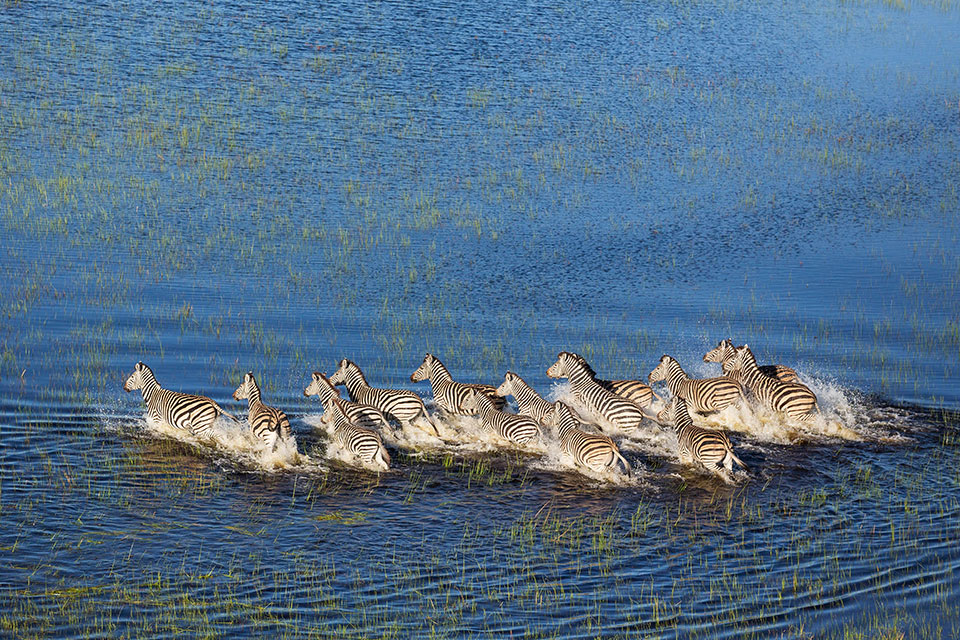
Botswana's Okavango Delta is an enormous watery oasis and Big Five safari paradise, with seasonal islands and permanent lagoons providing refuge to an impressive concentration of wildlife
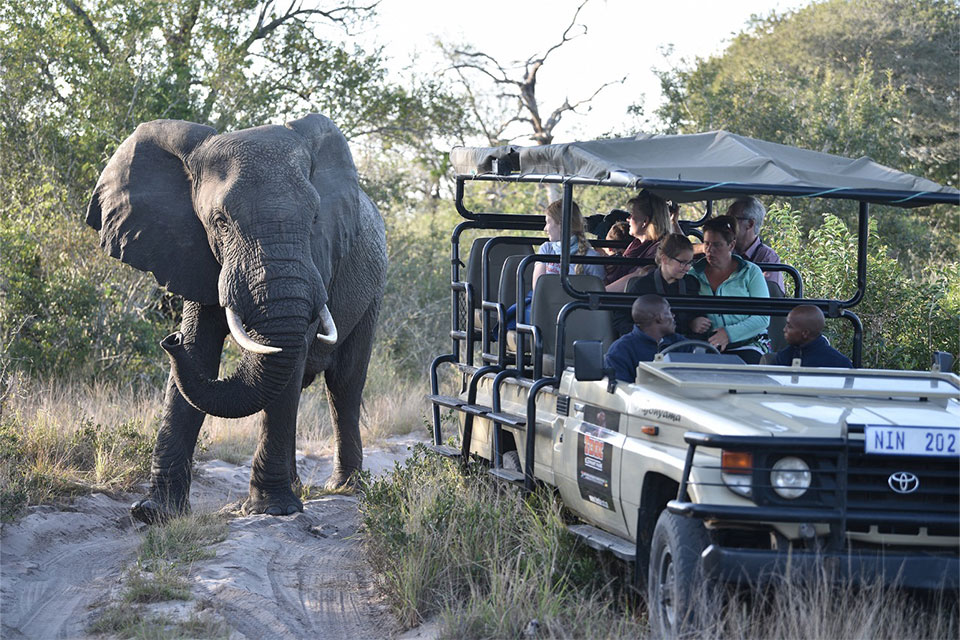
Tembe Elephant Park in South Africa's KwaZulu-Natal offers intimate encounters with some of the largest elephants in Africa. This Big 5 park is the ancestral home of the Tembe tribe, who own and co-manage the park and lodge